In sheet metal fabrication, the choice of tooling has a direct impact on bending accuracy, production efficiency, and die longevity. Whether you’re performing simple 90° bends or complex multi-stage forming, selecting the right tooling for your Automatic Press Brakes ensures better performance, reduces wear on the machine, and lowers overall production costs.
Automatic Press Brakes
As a professional press brake manufacturer, Anhui wochuan understands the critical link between tooling and bending quality. In this article, we’ll explore how to choose the right press brake tooling based on different application needs, helping you make smarter, more cost-effective decisions for your forming operations.
What is Automatic Press Brake Tooling?
Punches and Dies
When you start with press brake tooling, you need to know about punches and dies. These tools are very important for bending metal. The punch pushes the metal into the die to make a bend. Press brake dies come in many shapes and sizes. Each one works best with certain materials and thicknesses. You pick your punch and die based on what bend you want and what material you have. This helps you bend metal the right way and get good results.
Bending Methods
There are different ways to bend metal with press brake tooling. The main ways are air bending, bottom bending, and coining. Air bending uses less force and lets you bend at many angles. Bottom bending and coining need more force but give you better accuracy. You pick the method that fits your project. If you need very exact bends, you might use coining. Each way of bending changes how long your dies last and how good your finished part is.
Automation Needs
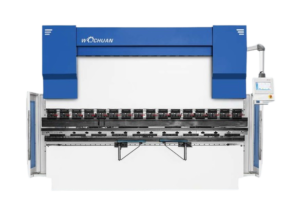
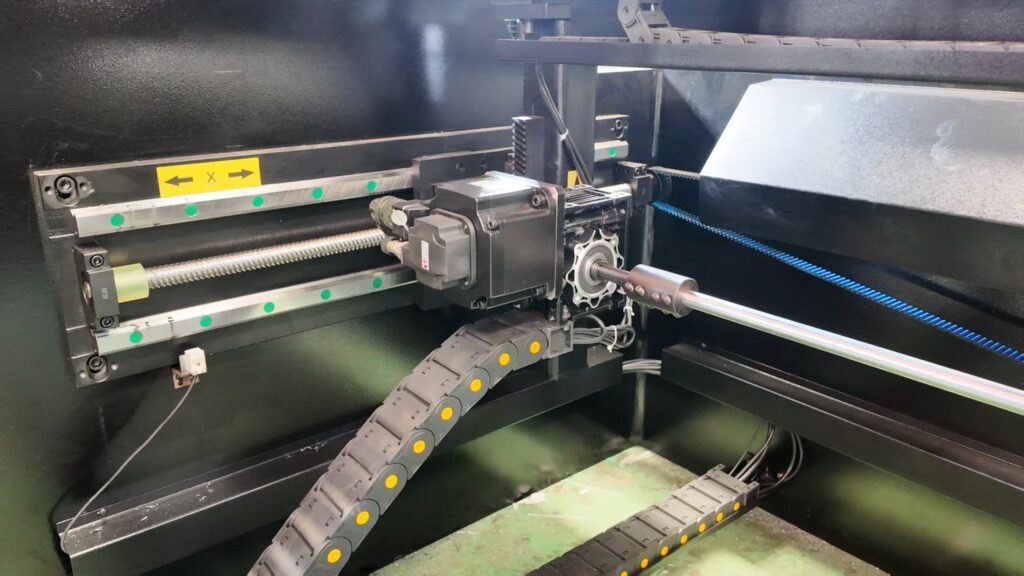
Automatic press brakes need special tooling. New systems, like those from wochuan, have smart features for automation. You can set up faster and do less work by hand. Punch and die sets made for automation help you work safer and faster. You also keep your bends accurate during production. Always check that your dies and punches fit your machine’s automation system.
How to choose Press Brake Tooling?
To pick the right press brake tooling, first know your job. You must match your tools to the metal, its thickness, the bend angle, and what your machine can handle. Follow these steps to choose the best press brake tooling for your automatic press brake.
Material and Thickness
Start by checking what kind of metal you have and how thick it is. Steel, aluminum, and stainless steel bend in different ways. Thicker metal needs stronger dies and more force. Thin sheets can use lighter tooling. Always look at the thickness and type before picking your press brake tooling.
Bend Angles
Now, think about the angle you want to bend and how much force you need. The angle changes which punch and die you should use. Sharp bends need a small die opening and a pointy punch. Big angles need a wider die and a different punch shape. You must match your press brake tooling to the angle you want.
| Bend Angle | Die Opening | Punch Type | Typical Use |
| 30°-60° | Narrow | Acute angle | Brackets, clips |
| 90° | Standard | Gooseneck | Boxes, panels |
| >90° | Wide | Radius or flat | Channels, enclosures |
Always think about the final angle you need when picking tooling. This helps you get the right bend for your project.
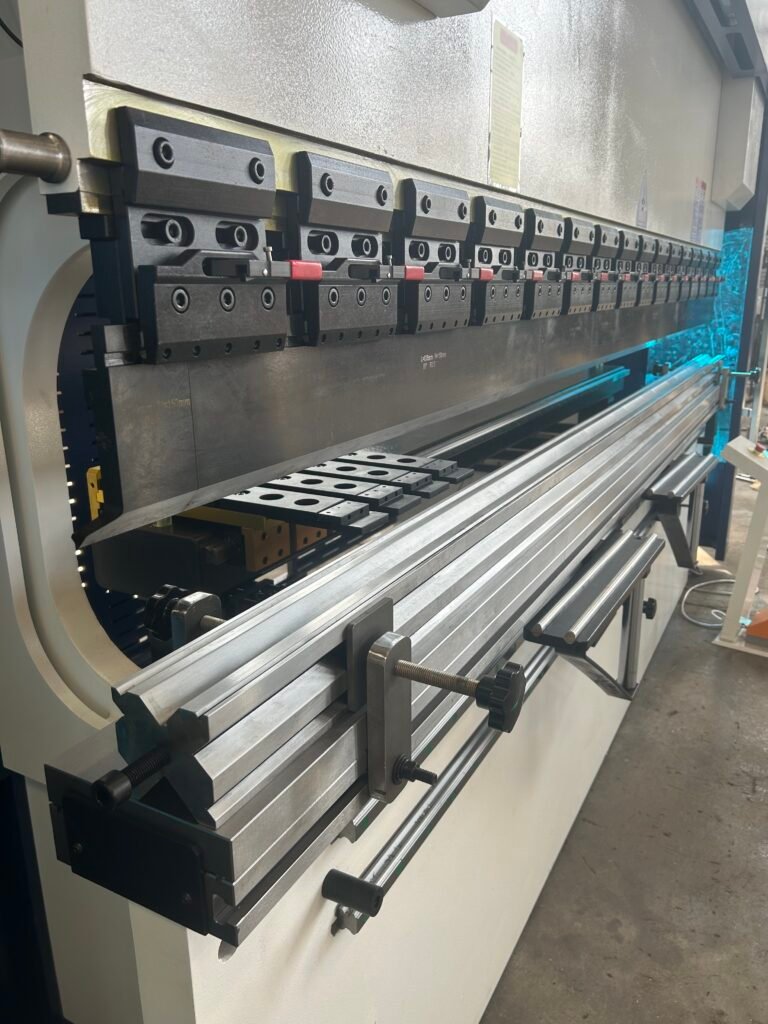
Tonnage and Load
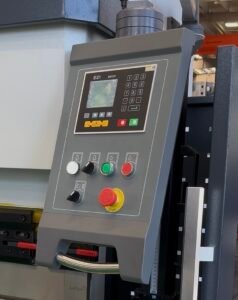
Check how much force your machine can use before picking tooling. Every tool and die set has a limit for how much force it can take. Too much force can break your tooling or your press brake. Figure out how much force you need by looking at the metal thickness, type, die opening, and bend length. Many new machines, like WOCHUAN’s CNC press brakes, show the needed force on their screens. This helps you avoid mistakes and keeps your tools safe.
Tooling Materials
The material of your press brake tooling changes how long it lasts and how well it works. Most dies and punches are made from hardened tool steel. For very exact work, you might use special alloys or coatings that stop wear. If you bend rough metals, pick tooling with extra surface treatments. The right tooling material helps your tools last and gives you good results.
Always match the tooling material to your job. This is important for getting good bends and keeping your work high quality.
If you follow these steps, you can pick the right press brake tooling for your automatic press brake. This helps you get good results, protect your machine, and keep your work fast.
Tooling Styles and Compatibility
Tooling Styles
There are different tooling styles for automatic press brakes. Each style is good for certain jobs. Some common types are European, American, and New Standard. European tooling lets you change tools quickly and gives high accuracy. American tooling is flexible and works for many tasks. New Standard tooling is great for automation and doing the same bend many times. If you have special bending needs, you can pick custom tooling. Custom tooling helps you work with special shapes or materials. It also helps you fix hard bending problems and get better results.
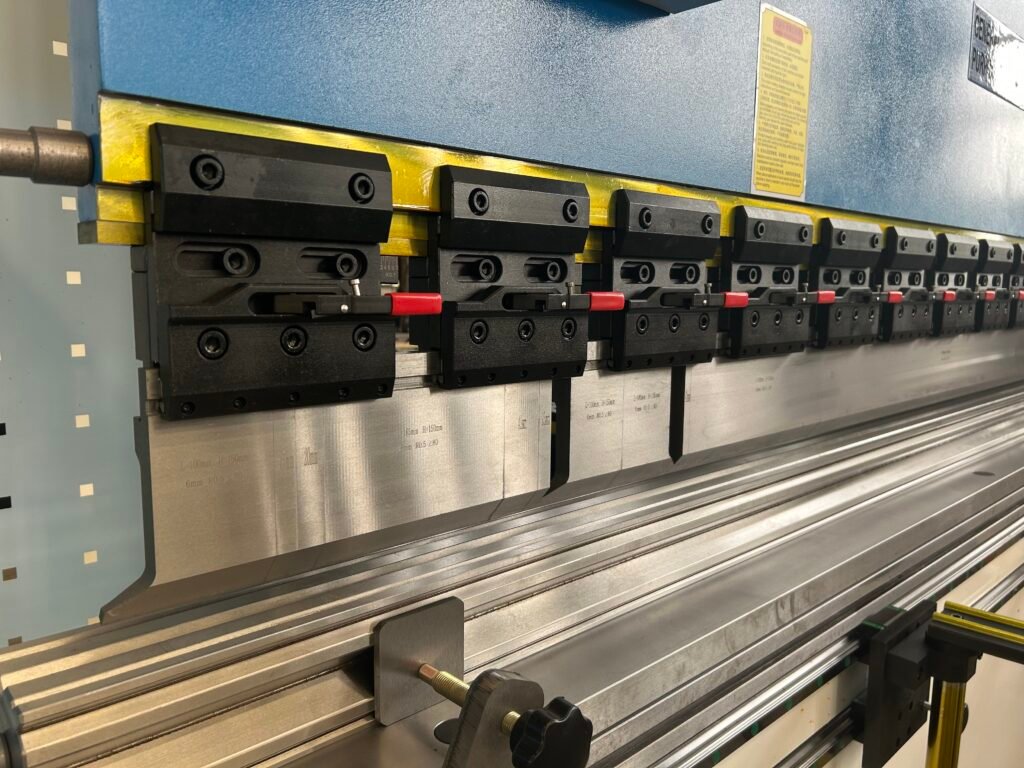
Concentric die: During the mold replacement process of the bending machine, the center of the upper die and the center of the lower die are aligned, and can be replaced quickly.
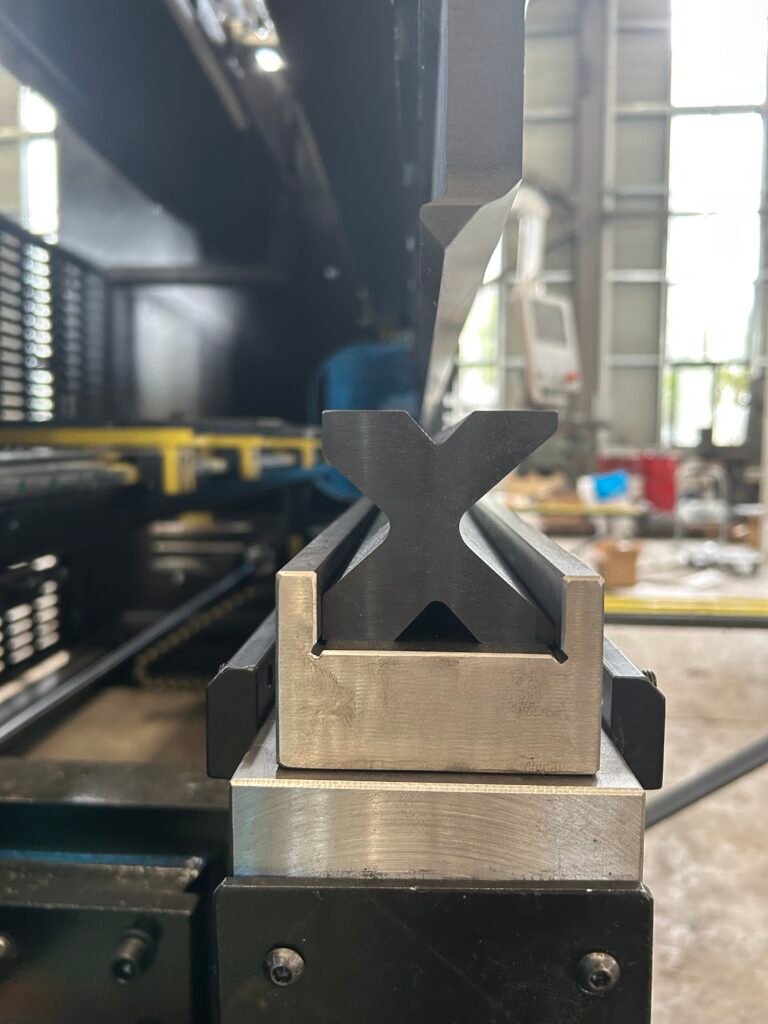
Square mold: Can open multiple slots, with a wide range of applications, can meet the needs of processing multi-step workpieces.
Clamping Systems
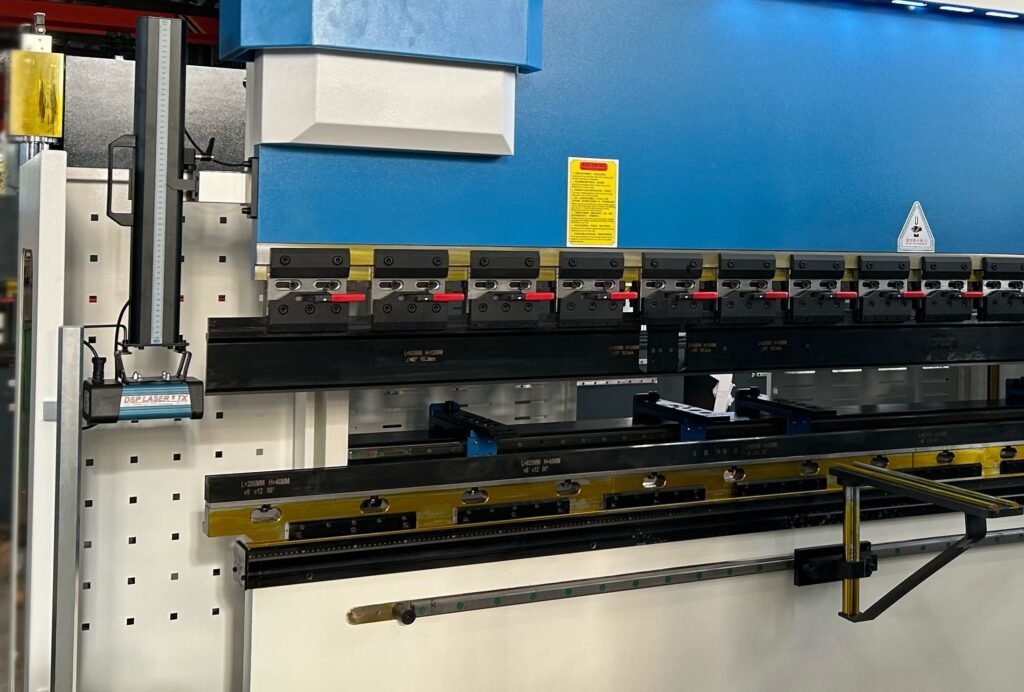
Clamping systems keep your punches and dies in place. You can pick manual, hydraulic, or pneumatic clamping. Manual clamping is good for simple jobs. Hydraulic and pneumatic clamping are faster and safer. Many new machines, like WOCHUAN, use mechanical quick clamping for quick tool changes. This helps with automation and makes setup faster. If you use custom tooling, check that your clamping system fits different shapes and sizes.
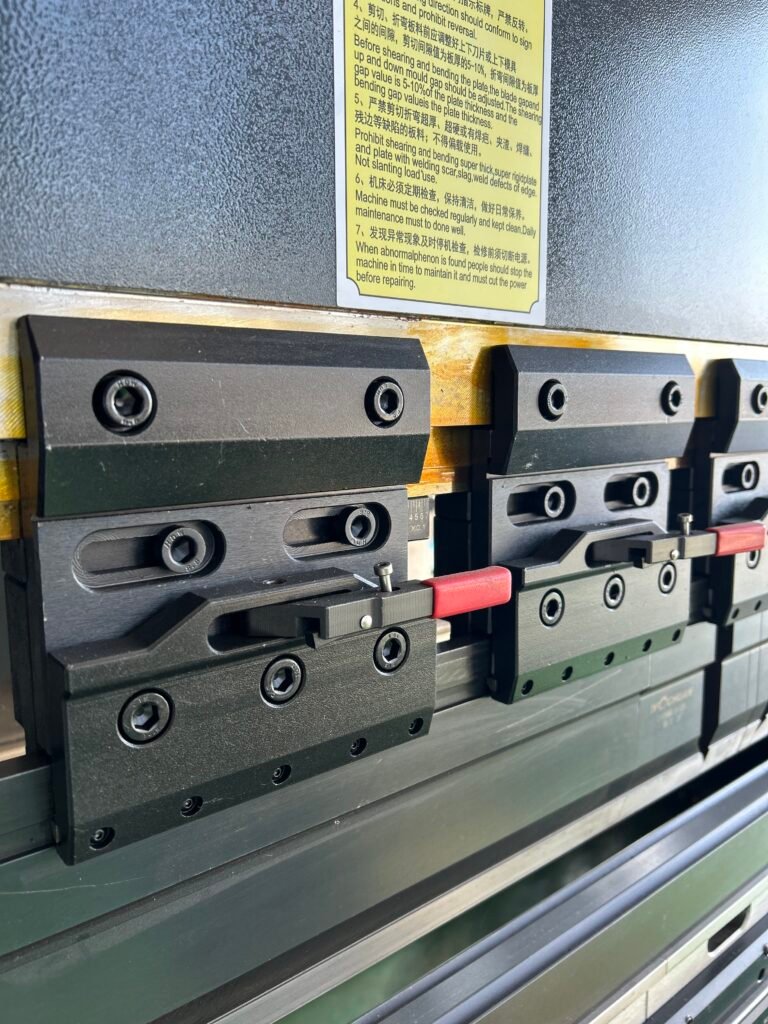
Mechanical Quick Clamps
Machine Fit
You need to check if the tooling fits your machine. Every press brake has limits for tool size, weight, and length. Using the wrong tooling can hurt your machine or make bad bends. Always measure your press brake and check the details. If you need special shapes, ask your supplier for custom tooling that fits. This keeps your work safe and helps your press brake work well.
Tips for Using Press Brake
Maintenance
You have to take care of your press brake tooling. This helps you get good results. Clean your punches and dies after you use them. Wipe away dust, oil, and metal bits. Put your tools in a dry place so they do not rust. Look for cracks or worn spots before you start a job. Make sure your tooling lines up with the machine. This stops bad bends from happening. You can use a checklist to remember what to do:
- Clean tools after each use
- Check for damage or wear
- Store in a dry, neat place
- Line up tooling before every job
Safety
You need to be safe when using a press brake. Always wear gloves and safety glasses. Do not put your hands in the machine when it is on. Read your machine’s manual for safety rules. Make sure everyone learns how to change tools safely. Train them to use the machine the right way. Use guards and sensors if your machine has them. These safety steps keep you and your team safe from harm.
FAQ
What is the best way to store press brake tooling?
Put your press brake tooling in a dry cabinet. Make sure the cabinet is neat and organized. Clean each tool before you store it. Keep every tool apart from the others. This stops rust and keeps tools safe from damage. Put labels on each tool so you can find them fast.
How often should you inspect press brake tooling?
Look at your tooling before you start any job. Check for cracks, worn spots, or dirt. Doing this often helps you spot problems early. It also helps you make sure your bends are right.
Can you use manual tooling on an automatic press brake?
You can use manual tooling if it fits your machine. But tooling made for automation works better. It lets you set up faster and keeps you safer.
Why does tooling alignment matter?
When your tools line up right, your bends stay straight. Good alignment also keeps your tools from breaking. If your tools are not lined up, you can get bad parts or break your press brake.